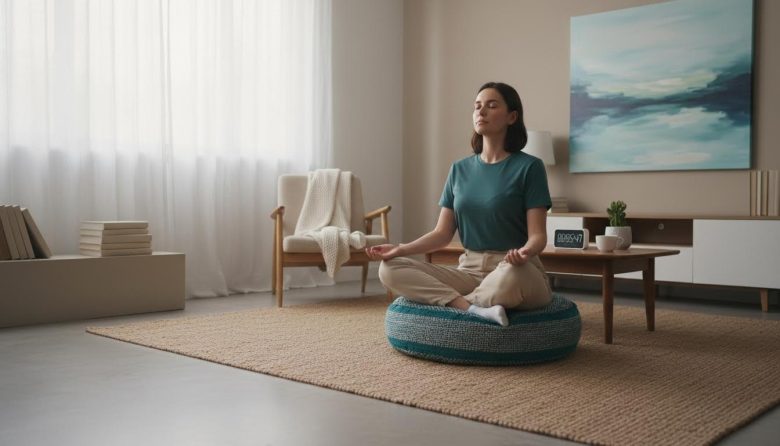
Last week, as the afternoon rush left me restless and tight-chested, I paused by the window and just breathed—slow inhales through the nose, steady exhales. It wasn’t dramatic, but the calm that followed lingered into evening. This simple daily breathing routine has become my quiet anchor amid busier days, easing that undercurrent of stress without forcing change.
I remember one Tuesday particularly well. The morning emails piled up, and by lunch, my shoulders felt knotted. Sitting at my desk, I closed my eyes for a moment and noticed how shallow my breaths had become—quick sips of air that matched my racing thoughts.
When Tension Creeps In: Noticing the Body’s Quiet Signals
Stress doesn’t always shout; it whispers through the body first. I started paying attention to those quiet cues: a tightness in my chest during meetings, or shallow breaths that left me feeling restless even after coffee. One day last month, walking home after a long call, I felt my inhales shorten, my exhales rush—like my body was holding onto the day’s weight.
Over time, I made a habit of checking in three times a day. Mornings, I’d scan for that subtle jaw clench from overnight worries. Midday, it was the sigh after scrolling notifications, breaths high in the chest instead of deep. Evenings brought fidgety legs, a sign the tension hadn’t fully unwound.
Noticing these helped shift something small but steady. No big overhaul, just a pause to feel the rhythm of my breath. It turned vague unease into a clear signal: time for a reset. I kept a simple note on my phone—chest tight? shoulders up?—to prompt gentle awareness without overwhelm.
This noticing built a timeline that stuck: scan at wake-up (7 AM), lunch (noon), and before dinner (6 PM). After a week, those signals felt less like surprises, more like familiar friends pointing the way to calm. It prepared me for the routines that followed.
Morning Breath Anchor: Starting Steady Before the Day Unfolds
Each morning around 7:15, after my first sip of tea, I sit by the kitchen window for three minutes. I inhale slowly through my nose for a count of four, feeling my belly expand gently. Then hold for four, exhale through the mouth for six, letting the out-breath soften my face and neck.
This anchor sets a steady tone before emails or plans take over. Last Thursday, with a packed schedule ahead, it kept me from that frantic start—thoughts calmer, steps lighter as I moved to my desk. No perfection needed; even two rounds brought a quiet steadiness.
I pair it with a loose checklist to keep it actionable:
- Find a spot—chair, floor, or standing by the sink.
- Hand on belly to guide the depth.
- Eyes soft or closed, notice one sensation per breath.
- End with a stretch, arms up slow.
Over months, this timeline wove into my routine without effort. It bridges waking haze to the day’s flow, often leaving me less reactive by 8 AM. Simple, but it holds through hurried weeks.
For extra steadiness, I sometimes layer in tips from 5 Simple Tips to Boost Your Daily Energy, like a quick hydration follow-up. The breath leads, energy follows naturally.
Midday Whisper Reset: A Pocket of Calm Amid the Rush
At noon or 2 PM, when the desk hum builds, I step away for one minute—bathroom stall, parked car, or just my chair with eyes closed. Inhale nose four counts, exhale mouth six, repeat three times. Focus stays on the cool air in, warm air out.
During a hectic Wednesday project deadline, this reset cut through the fog. Thoughts slowed, that midday slump lifted without caffeine. My fingers steadied on the keyboard afterward, focus sharper for the next hour.
Here’s the quick timeline I follow:
- Stand or sit tall, feet grounded.
- Two hands on lap or one on heart.
- Breathe: in 4, out 6—three cycles max.
- Open eyes slow, carry the ease forward.
It fits any break, no gear required. After trying it for two weeks straight, restless afternoons felt rarer. The pocket of calm expands, softening edges of the day.
This pairs well with everyday anchors, like after checking messages or before a call. It reminds me how small pauses accumulate into less overall tension.
Evening Release: Breathing Out the Day’s Held Weight
Around 8 PM, lights dimmed, I lie on the couch or bed for five minutes. Inhale four, hold four, exhale eight—longer out-breath to release. I picture the day’s weight dissolving with each exhale, body sinking heavier into rest.
One Friday, after back-to-back meetings, this unwound knots I didn’t know I carried. Sleep came easier, no tossing from replayed conversations. Mornings felt fresher, less drag from unrested nights.
My evening checklist keeps it direct:
- Cozy spot, blanket if cool.
- One pillow under knees for ease.
- Scan body top to bottom between breaths.
- Whisper thanks for one calm moment.
This timeline eases the shift to night reliably. Tested over real weeks, it smoothed transitions, leaving a steady calm. No rush, just gentle unfurling.
Building Your Daily Breath Flow: 4 Gentle Steps
- Step 1: Pick Your Anchors – Choose 2-3 times (morning, midday, evening) that fit your natural rhythm, no rigid schedule needed. Start with what feels least disruptive, like post-breakfast or pre-dinner.
- Step 2: Set a Soft Cue – Link to an existing habit, like after coffee or before bed, to let it settle in easily. Use a phone reminder at first, then let the cue take over.
- Step 3: Practice with Kindness – Inhale for 4 counts, hold 4, exhale 6; notice feelings without judgment, 1-5 minutes each time. Adjust counts if shorter breaths feel right that day.
- Step 4: Reflect Lightly – End with one note on how your body feels steadier, adjusting as days go. Jot in a journal or voice memo, keep it to one sentence.
These steps build a flow over days, tested in my own uneven schedule. They adapt, creating a rhythm that sticks without strain. Start small, let it grow.
What Helped Me, and Might Help You
Consistency came from tying breaths to meals, like after lunch. I noticed less midday restlessness when I did. Short sessions prevented overwhelm, keeping the calm real.
Tracking in a simple table helped spot patterns:
| Day | Morning Feel | Midday Reset | Evening Note |
|---|---|---|---|
| Monday | Steady | Quick lift | Slept deep |
| Tuesday | Tight start | Eased fog | Looser unwind |
Pairing with nourishing basics, such as the Weekly Grocery List Plan for Healthy Meals, amplified steadiness—breath plus steady fuel. Emotion stayed simple: less tired, more present. These tweaks, from real weeks, might ease your flow too.
One more: forgive skipped days. Returning gently built trust in the routine. It helped most when life pulled hard.
Your Gentle Experiment: One Breath Shift for a Week
Try just the midday whisper reset daily for five days— one minute at noon or 2 PM. Note how your afternoon shifts, maybe less edge in tasks. I found it snowballed into fuller days.
Complement with Practical Tips for Mindful Daily Breathing for extra layers if it clicks. Keep it light, one shift at a time.
How did that one pause feel by day three? Jot it down, then carry one into next week.
A Few Common Wonders
Do I need a quiet space for these breaths?
No, even a busy desk or car works—it’s about the rhythm, not perfection. Noise fades with focus on inhale-exhale. Start wherever you stand.
What if my mind wanders during practice?
That’s normal; gently return to the breath, like guiding a drifting thought back home. No scolding, just redirect. Wanders lessen with time.
Can this help with sleep issues tied to stress?
Many find the evening release eases restlessness, creating space for rest. The longer exhale signals unwind to body and mind. Try it consistently for a week.
How long until I notice a difference?
Often a few days bring subtle steadiness; it builds quietly over time. Listen for calmer breaths or lighter evenings. Patience lets it settle.
Is this for beginners only?
Anyone can adapt it—shorten or lengthen breaths to feel just right. Experienced folks tweak for depth; newcomers keep it brief. It fits all rhythms.
What one breath moment from your day stands out? Try the midday reset tomorrow and notice.