I remember those evenings when the workday clung to me like a heavy coat, the moment I stepped through the door feeling more like a weary traveler than someone ready for home. The kitchen light seemed too bright, and my mind buzzed with unfinished emails and tomorrow’s to-dos. That’s when I realized a simple after-work routine could gently loosen that grip, turning restless arrivals into softer landings. It wasn’t about grand changes, just small shifts that let calm seep in, one breath at a time.
Over time, this unwind became my quiet welcome home, easing the transition from office noise to evening quiet. If you’ve ever kicked off your shoes and still felt wired, this might feel familiar too. Let’s walk through it together, with steps that fit right into real life.
The Quiet Shift from Desk to Doorway
I used to rush inside, drop my bag, and head straight for the fridge, but that often left me feeling scattered. One day, after a long meeting-filled afternoon, I paused at the doorstep instead. Just standing there for a moment, feeling the cool air on my face, helped me leave work thoughts outside like an old umbrella.
This shift isn’t dramatic—it’s about noticing the change in light or the sound of birds settling. I found it steadied my steps, making the house feel more like a refuge. Try picturing it: keys in hand, one deep breath, and work fades a little.
That doorway pause became my signal to unwind, especially on Fridays when the week weighed heaviest. It reminded me that home waits patiently, ready for whatever pace I bring.
Layering In Breath and Movement First
Right after that doorway moment, I add a layer of breath and gentle movement to shake off the day’s tension. A short loop around the block or even pacing the living room works wonders when I’m feeling restless. It’s like giving my body permission to downshift, one step at a time.
I remember a Tuesday last month, rain tapping the window, when I stretched my arms overhead and rolled my shoulders. The tightness in my neck eased, and calm started to spread. No gym clothes needed—just moving in whatever I’m wearing.
Breath comes next: three slow inhales through the nose, out through the mouth. It quiets the mental chatter without forcing anything. This combo sets a steady tone before diving into the full routine.
Your 20-Minute Unwind Steps
Here’s the heart of it—a simple sequence that takes about 20 minutes, broken into four gentle steps. I keep it flexible, but following this order helps build a rhythm. Each one builds on the last, layering calm like a soft blanket.
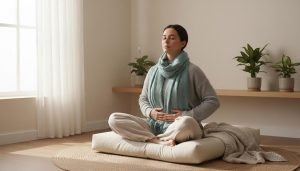
- Pause and breathe (2 minutes): Sit or stand wherever you land first. Inhale for four counts, hold briefly, exhale for six. I do this with eyes closed, picturing worries floating away like leaves on a stream. It grounds me instantly.
- Change into soft clothes (3 minutes): Swap work attire for something cozy, like leggings and a loose sweater. The fabric against my skin signals “off duty.” I fold my work clothes neatly, closing that chapter visually.
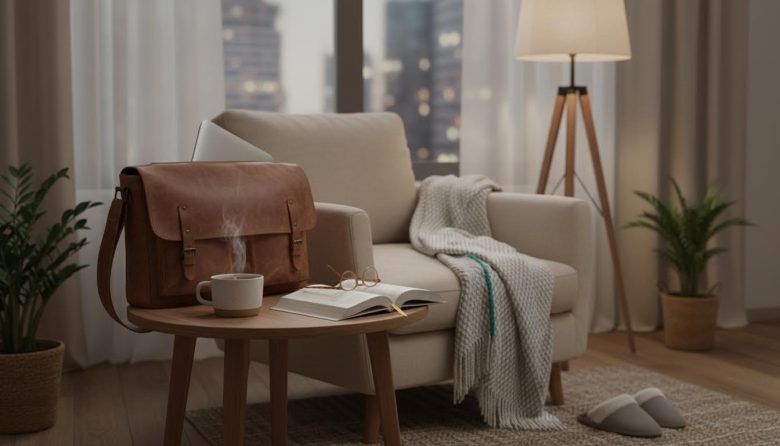
- Sip herbal tea mindfully (5 minutes): Brew chamomile or whatever soothes you—no rush. Hold the warm mug, notice the steam rising. Sometimes I pair this with a quick snack idea from How to Make Quick Healthy Snacks at Home, keeping it light and nourishing.
- Journal one grateful note (10 minutes): Grab a notebook and write one thing that felt good today, even if small like a kind email. No full pages needed—just that spark. It shifts my focus to steady ground before dinner.
These steps flow naturally, turning 20 minutes into a pocket of peace. Adjust times as needed; the point is consistency over perfection.
What Helped Me on Those Draining Days
On extra tiring days, a few tweaks made all the difference. First, dimming the lights right away created a cozier space, easing my eyes and mood into evening mode.
Second, playing soft music—like piano instrumentals—filled the air without overwhelming. I recall one stormy evening when it drowned out the thunder, leaving me surprisingly calm.
Third, skipping screens entirely during these steps kept my mind from revving back up. Instead, I’d glance out the window at the fading sky. These small changes turned draining arrivals into doable ones.
Adapting for Your Evenings’ Rhythm
Not every night is solo quiet time; I’ve adapted this for family evenings too. If kids are home, I shorten it to breathing and tea while chatting lightly—no journal pressure.
For solo nights, I stretch it with a longer walk. A weekend reset memory stands out: after errands, I did the full steps and felt ready for movie night, not frazzled.
Link it smoothly into bedtime prep by following with a Gentle Bedtime Routine Plan for Better Sleep. The key is matching your home’s flow, making unwind feel personal.
Gentle Experiment: One Small Evening Anchor
For the next five days, try just the breathing and tea steps nightly. Keep a notebook handy to jot one word about how you feel before and after—like “restless” to “settled.”
No judgment if you miss a night; just notice patterns. I did this last spring and saw evenings smooth out by day three. It’s a low-pressure way to test what sticks.
Evening Reflections to Carry Forward
What small unwind step feels most steady for your evenings? Maybe the doorway pause or that warm mug moment.
Tonight, pick just one to try—no more. Let it become your gentle anchor amid the day’s end.
Over time, these reflections build a rhythm that carries you forward, one calm evening at a time. Pair it with building habits like a simple daily breakfast routine for bookends to your day.
FAQs
Can I do this routine if I get home late?
Yes, absolutely—shorten it to 10 minutes by combining steps, like breathing while changing clothes. The tea can brew while you journal a quick note. It still shifts your energy without adding stress to a packed night.
What if my mind keeps racing during the steps?
That’s common, especially at first; gently guide it back to your breath or the tea’s warmth each time. I notice it wanders less after a few tries. Over evenings, the racing quiets on its own.
Do I need special items to start?
No, basics like comfy clothes, a mug, and scrap paper for notes work fine. Herbal tea bags are easy to grab, or use hot water with lemon. Start with what you have for that welcoming feel.
How do I know if it’s helping?
Watch for evenings feeling less restless or sleep coming easier after a week. Small signs like smiling more at home or fewer late-night worries show up naturally. Trust those gentle shifts.
Can I add this to weekends too?
Sure, it softens any transition, even from a lazy morning or errands. On Saturdays, I tweak it lighter, maybe just tea and a walk. It keeps weekends feeling restorative, not rigid.