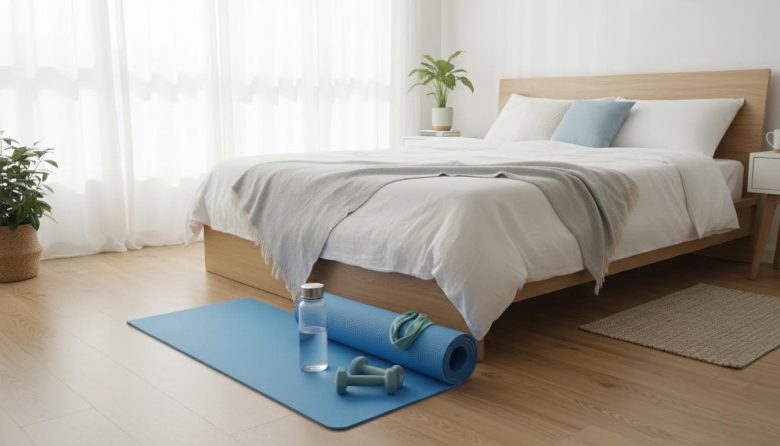
I remember the mornings when the house was still quiet, and the first light filtered through the curtains. I’d feel that familiar tug of tiredness, but slipping into a few stretches changed everything—leaving me steady for the day ahead. Over time, this became less about forcing a routine and more about a gentle rhythm that fit my life.
Those early moments taught me how dawn movement carries a soft invitation. It wasn’t about intensity; it was the calm that settled in after just moving my body a little. Restlessness from the night faded, replaced by a quiet steadiness that carried through the hours.
The Soft Invitation of Dawn Movement
Mornings have this unique way of grounding me when nothing else does. I used to wake up restless, mind already racing through the day. But standing by the window, feeling the cool air, and doing a simple arm circle brought a shift—calm rippled out from there.
It’s not magic; it’s the body’s way of easing into wakefulness. One winter morning, with frost on the grass outside, I stepped onto my mat for five breaths and reaches. That small act turned a foggy start into something clear and present.
Why mornings? They set a tone before emails or coffee pull you away. I found pairing it with natural light helped most—no alarms blaring, just the sky’s gentle nudge. It builds a rhythm that feels like coming home to yourself.
Over months, this invitation grew familiar. Even on tired days, the promise of that steadiness waited. It reminds me how small movements can anchor the whole day.
Clearing Space the Evening Before
The night before makes all the difference—it’s like prepping the soil for a seed. I started laying out my mat by the bed, shoes nearby if I wanted a walk. No big production, just visible cues that whispered “tomorrow’s ready.”
This mindset shift cut morning friction in half. Instead of fumbling in the dark, everything waited. One evening, after a long day, I added a glass of water on the nightstand—hydration met movement seamlessly.
Wind-down rituals seal it. Dimming lights an hour early, jotting one line in a notebook about the next dawn. It eases the transition, leaving me less restless at 6 a.m.
I noticed steadier energy when I tied this to How to Start a 10-Minute Daily Workout Habit. Those prep steps overlapped perfectly, making mornings flow without force.
Easing In with Bare-Minimum Moments
Start tiny—five minutes tops, nothing more. I began with standing tall, rolling shoulders back, breathing deep. It felt doable, even on groggy days, building quiet confidence over time.
Those moments aren’t about perfection; they’re about showing up. One rainy Tuesday, I swayed side to side by the kitchen counter—no mat needed. The restlessness lifted, replaced by a subtle calm.
Vary it to keep it fresh: arms overhead one day, gentle squats the next. Track it loosely—a check on the calendar. This builds momentum without overwhelm.
It helped when I wove in ideas from Practical Tips for Mindful Daily Breathing. Breath anchored the moves, turning bare-minimum into something restorative.
Four Steady Steps to Anchor Your Practice
These steps came from trial and quiet observation—simple anchors that stuck. They form a timeline: prep the night before, move at dawn, reflect briefly, adjust as needed. Here’s how I shaped them into a routine.
- Wake and Orient (1-2 minutes): Open curtains, stand tall, feel your feet on the floor. Sip water if prepped. This grounds you before the mind spins.
- Move Gently (3-5 minutes): Choose two actions—reach up, bend forward, circle hips. Go slow, notice breath. No rush; let it unfold naturally.
- Close with Stillness (1 minute): Sit or stand, hands on belly, three full breaths. Acknowledge the shift—tired to steady. This seals the practice.
- Carry It Forward (Ongoing): Note one felt sensation in a journal or phone. Evening, review: what landed well? Tweak for tomorrow’s ease.
This sequence fits any space—a corner, hallway, yard. I tested it over weeks, adjusting for seasons: more indoor on cold days. It created a timeline that felt reliable, not rigid.
Checklists like this kept me honest. Week one: consistent starts. Week two: added variety. By month two, it wove into my days effortlessly.
What Helped Me (and Might Help You)
I noticed steadiness grew when I ditched expectations. No “perfect” sessions—just showing up. On weekends, I’d extend to ten minutes outside, birdsong mixing with my breaths.
Pairing with steady energy habits amplified it. Drawing from a Simple Daily Routine for Steady Energy All Day helped sustain the morning calm through lunch. Small overlaps, big ripple.
Accountability came softly: a weekly text to a friend. “Did your dawn move today?” That nudge without pressure kept the rhythm alive through travel or stress.
Forgiving off days was key. One flu week, I modified to bed stretches. Returning felt welcoming, not like starting over. It taught flexibility builds lasting habits.
Emotionally, it shifted tiredness to quiet resolve. Evenings felt less wired. These shares come from real schedules—yours might adapt them uniquely.
A Gentle Experiment for the Week Ahead
Try this: five minutes of dawn stretches daily for five days. Pick two moves—arms up, forward fold. Do them after opening curtains, before coffee.
Timeline: Days 1-2, just show up. Days 3-5, note how your body feels after. No judgment, only observation.
It helped me reset weekends too. Gentle, contained—see what stirs for you.
Frequently Asked Questions
Do I need fancy equipment to start?
No, keep it simple—your body and gravity suffice. A mat or towel softens floors; comfy clothes help. I used bare floors first, then added a folded blanket. Focus on ease, not gear.
What if I miss a morning?
Missing one doesn’t derail you—pick up the next dawn. I skipped during a trip; returning felt fresh, not failed. View it as a pause, not a break. Gentleness keeps the habit alive.
How do I make it feel less like a chore?
Infuse enjoyment: play soft music, move near a window, or follow your breath’s rhythm. I shifted to cat-cow poses when squats felt dull—curiosity replaced chore. Notice what brings calm; lean there.
Can this work for night owls?
Yes, adapt the timing slightly—try mid-morning if dawn’s tough. I know someone who does it post-first-coffee; steadiness still lands. Experiment with your natural light cues for the best fit.
When will I notice a difference?
Felt shifts come gradually—maybe quieter mornings after a week, steadier afternoons soon after. I sensed less midday drag around day ten. It’s personal; track your own subtle steadiness.
What small morning shift calls to you? Try it once this week and notice how it lands.