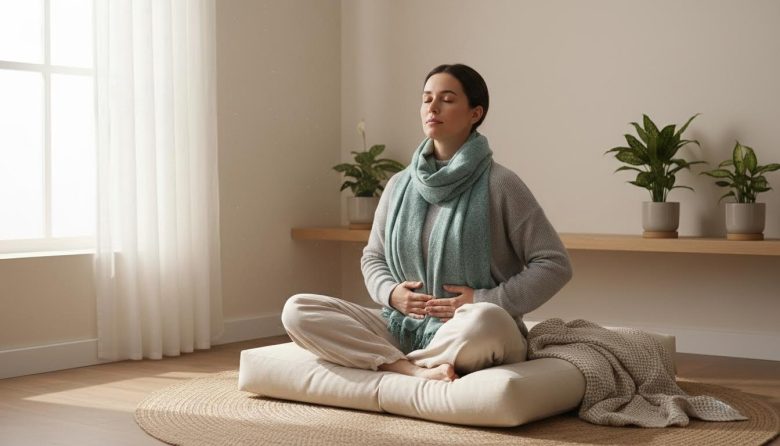
Last Tuesday, the kind of day where emails piled up and my shoulders felt like they carried the week, I sat by the window with nothing but five minutes. One slow breath in, and the tightness eased just a bit—not gone, but quieter. It reminded me how something so simple, always there, waits for us to notice. If you’re feeling that steady undercurrent of busy, short daily breathing might be the soft anchor you’ve been circling.
The Afternoon I Stumbled Into Breath Awareness
I remember that restless afternoon clearly. The clock ticked past 3 p.m., and my mind raced with half-finished tasks. I paused at my desk, closed my eyes, and just breathed—inhale for four counts, exhale the same. Within moments, the restless edges softened into something steadier.
It wasn’t magic, just a small shift. My chest felt lighter, like releasing a held sigh. That first try showed me breath could cut through the afternoon fog without needing hours.
From there, I kept it simple. No apps or timers at first. Just noticing how my body responded pulled me back the next day.
Finding a Quiet Corner in Your Day
Some days, it’s the morning light filtering through curtains that calls me to breathe. I stand by the kitchen window, coffee in hand, before the rush begins. That quiet spot grounds me right away.
Evenings work too, during wind-down. After dinner, on the couch with feet up, a few breaths melt the day’s weight. I noticed calm settling when I picked spots that felt natural, not forced.
Try a bench outside if indoors feels tight. Or lean against a doorframe during a break. These corners turn breath into a habit that sticks.
Three Breath Flows That Felt Natural
The first flow I leaned on was equal counts: inhale four, hold four, exhale four. It steadied my racing thoughts during lunch breaks. Simple rhythm, no strain.
Then alternate nostrils caught my attention. Close one side gently, breathe through the other, switch. I tried it walking home; it brought a fresh alertness without buzz.
Sigh releases rounded it out. Deep nose inhale, mouth exhale with sound. Perfect for evening release when tired pulls heavy. These flows built my short sessions naturally.
Each one takes under two minutes alone. They flow into each other easily. What started as random tries became a reliable pause.
- Step 1: Settle In (30 seconds) – Sit or stand comfortably, feet grounded, hands soft on lap. Notice the air around you, let shoulders drop naturally. This quick settle centers without rush.
- Step 2: Anchor with Count (1 minute) – Inhale for 4, hold 4, exhale 4. Repeat 3-4 times, eyes soft or closed. Feel the rhythm build steadiness in your chest.
- Step 3: Let Go with a Sigh (1 minute) – Deep in through nose, long sigh out mouth. Feel the release twice, letting tension slip. This step softens what the counting anchored.
- Step 4: Carry It Forward (30 seconds) – One final steady breath, then open eyes. Note how your body sits now, lighter perhaps. Transition back with that quiet awareness.
These four steps make a full three-to-four-minute practice. I tested them midweek; they fit anywhere. The progression from settle to carry-forward keeps it complete yet brief.
What Helped Me, What Might Help You
A phone reminder at 2 p.m. nudged me consistently. No pressure, just a soft ding. It turned intention into action on scattered days.
Pairing with tea helped too. After a hot cup, breath felt deeper, more inviting. The warmth amplified the calm.
I wove in a simple daily hydration plan to feel great alongside it. Staying steady with water kept my body responsive during breaths. Small stacks like that build without overwhelm.
Noticing feelings post-breath kept me going. Restless to steady—that shift motivated. Kindness to myself when skipped made return easier.
Weaving Breath into Mornings and Twilights
Mornings: right after waking, before checking phone. Three minutes by the bed sets a calm tone. Feet on floor, first breaths of day.
Timeline: 7 a.m. settle in, count breaths, sigh out sleep stiffness. Carry that into breakfast. It smooths the start.
Twilights: post-dinner, lights low. Unwind checklist—sit, anchor count, sigh release. Evening breath quiets the mind’s replay.
I link it to how to prep quick healthy breakfasts daily sometimes. Breath first, then nourish. Weekends, extend to five minutes outdoors. Routines like these stick through real schedules.
A Gentle Experiment: One Breath Habit for Five Days
Pick one spot: post-coffee morning or pre-bed evening. Do the four steps daily for five days. Note feelings before and after—tired, restless, calm?
Keep a jotter nearby. One word per session: “lighter” or “steady.” It tracks shifts without effort.
This small try builds familiarity. What if evening calm lingers into sleep? Jot one word tonight—what shifted for you?
Questions That Drift Up After a Few Days
Can I do this lying down?
Yes, especially evenings when tired edges creep in. Place a pillow under knees for back ease, arms relaxed by sides. Breath flows naturally horizontal; it invites deeper release without strain. Many find it perfect for bedtime wind-down.
What if my mind wanders?
It will, like thoughts drifting in a breeze—that’s normal. Gently guide back to breath count or sensation, no judgment. Each return strengthens the habit softly. Over days, wandering lessens into steadier focus.
Is three minutes enough?
For starting yes, it plants the seed without daily push. Builds groove first, then naturally lengthens if calm calls for more. Short keeps it doable amid full days. Trust the small start’s quiet power.
Any best time of day?
Mornings set steady tone for hours ahead; evenings wash off the day’s pull. Test both—perhaps gratitude practice routine for daily positivity pairs well morning. Your rhythm decides; flexibility helps it last.
What if I forget?
Place a note by sink or phone alert softly. Meet forget with kindness, not push—next breath waits patiently. Strings of three days build momentum past slips. Gentle return keeps the flow alive.