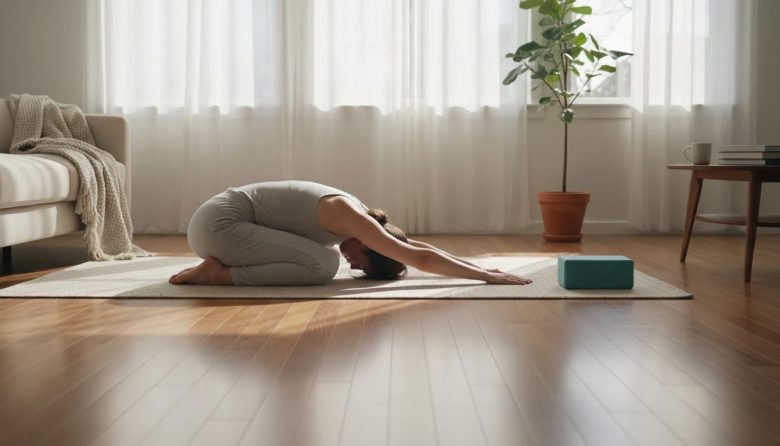
Last Tuesday evening, after a day glued to my desk, I felt that familiar tightness creeping up my neck and settling into my shoulders like an unwelcome guest. The kind of tension that whispers doubts about rest until you listen. That’s when I turned to a simple daily stretch, not as a fix, but as a quiet release that brought a steady calm back into my evening. It wasn’t dramatic, just a gentle unwind that let the day’s weight slip away as I settled into my living room corner. Looking back, those few minutes shifted how I close out my hours, making space for rest that feels earned.
A few weeks ago, after rushing through emails and errands, I caught my reflection in the window—shoulders hunched, jaw tight from the quiet strain of a full day. Stretching became my way back to myself, a soft reminder that tension builds in layers from screen glow and hurried steps. These daily moments aren’t about perfection; they’re a pause where breath meets body, easing the restless pull without force.
I’ve shared this with friends over coffee, watching their faces soften as they nod, recognizing that same held breath from their own weeks. Ahead, I’ll walk you through the subtle cues I now notice and a routine that fits right into evenings, one breath at a time. It’s the kind of habit that lingers, steadying what feels frayed.
Table decision: No – A stretching routine flows naturally as sequential steps rather than a comparative or tracking table.
Chosen structured block: steps
The Subtle Build-Up: Listening to Your Body’s Quiet Signals
Screen time pulls at my neck first, that forward tilt from hours of scrolling or typing. Then come the shoulders, rounding in from carrying a tote bag home or hunching over a laptop in bed. I used to push through, mistaking the ache for just “a long day,” until one rainy afternoon I paused mid-step and felt the quiet tightness radiating down my back.
Daily life layers it on—chopping vegetables with tense arms, or gripping the steering wheel through traffic. Ignoring it led to restless nights, tossing with a dull throb. Noticing came slowly, like catching the first cool breeze after warmth; a tilt of the head revealed how much I held without realizing.
Take last weekend: after gardening, my lower back whispered its protest as I stood to make tea. That signal, once dismissed, now invites a stretch before it settles in. It’s these small alerts from desk slumps or phone holds that taught me tension thrives in silence until we listen.
Common spots include the hips, too, from sitting cross-legged on the couch or pacing with a call. My story shifted when I started naming them—neck knot from emails, shoulder shrug from bags. This awareness turns vague unease into something I can meet with breath and movement.
Over time, I’ve seen how carrying emotional weight mirrors the physical; a full inbox feels like tight traps. Tuning in early keeps it from building, creating room for calm amid the everyday rush. It’s a gentle loop: notice, stretch, notice again.
What Helped Me (And Might Help You)
Breathing into the stretch made evenings feel less restless, turning a quick neck roll into a moment of steady release. I noticed my sleep deepened after those pauses. Pairing it with a daily hydration routine to feel refreshed amplified the ease, as if water carried the tension further out.
Short lists kept me consistent:
- Neck glides before brushing teeth—two minutes that softened the day’s edge.
- Shoulder circles during podcast listens, blending unwind with my wind-down playlist.
- A seated fold post-dinner, easing the back while the kettle hummed.
One real win: after a tense call, the hip twist melted stored restlessness, leaving me calm for bedtime stories with my niece. Another friend tried it during lunch breaks, reporting steadier afternoons. These aren’t grand changes, just relatable anchors in scattered days.
It helped when I let go of “doing it right,” focusing instead on the felt shift to calm. Even partial routines brought quiet rewards, like looser mornings after evening releases.
Unknotting from the Top Down: A 5-Step Daily Release
This routine takes about 20 minutes, best in soft light before bed or after work. Move slowly, letting breath guide each hold—no rush, just presence. Modify as needed: sit if standing tires you, or shorten times on busier nights.
- Step 1: Settle into your space (2 mins: Find a quiet spot, perhaps by a window with evening light. Sit or stand tall, close your eyes, and breathe deeply—in through nose for four counts, out for six. This eases you into the moment, softening the initial guard.)
- Step 2: Neck glide (3 mins: Gently tilt your right ear toward shoulder, hold for 20 seconds, feeling the side stretch without pull. Switch sides, then roll chin to chest softly. Repeat twice each way to melt shoulder pull, breathing steadily.)
- Step 3: Shoulder circles and chest opener (4 mins: Roll shoulders up, back, down in slow circles—10 each direction. Clasp hands behind back, lift gently to open chest, hold 30 seconds. This releases upper back hold with easy flows, inviting space.)
- Step 4: Seated forward fold for the back (4 mins: Sit with legs extended, hinge at hips to fold forward, arms relaxed. Let gravity soften the spine for 1 minute, then ease up. Repeat twice, noticing hamstrings and back yield.)
- Step 5: Hip opener twist (3 mins: Sit cross-legged, place right hand on left knee, twist gently right, hold 30 seconds. Switch sides. This unwinds the day’s stored restlessness, steadying the core.)
- Step 6: Full-body savasana close (3 mins: Lie on back, arms by sides, palms up. Breathe naturally, scan from toes to head for held spots. Rest here, noticing the shift to calm as evening quiets.)
Everyday adaptations: Do it in a chair for office days, or against a wall for back support. If hips feel extra tight, use a pillow under knees in the fold. I add a favorite tea after, letting the warmth settle the benefits deeper.
Timing flexes—shorten to 10 minutes by picking three steps on rushed nights. The key is the sequence: top-down mirrors how tension climbs, releasing layer by layer.
Blending It into Evenings That Feel Full
Post-dinner works wonders; as dishes dry, I unroll a towel and glide through neck tilts while the oven cools. It fits without carving extra time, turning chore pauses into releases. One evening, after a family video call, this became my reset before lights out.
Before bed variations suit weekends: extend savasana with soft music, letting calm carry into sleep. I weave it after prepping breakfasts, like in my how to prep quick healthy breakfasts daily flow, so mornings start lighter. Friends link it to grocery routines too, noting stocked kitchens support steady bodies.
A story from last month: hosting friends, I snuck in shoulder circles mid-conversation. Tension from prep faded, leaving me present. Try it after walks or reading; it nests into full evenings seamlessly.
For nourishment ties, gentle stretches pair with planning ahead, like a weekly grocery list plan for healthy meals, fueling the body that holds the day’s ease. These blends make habits stick through real rhythms.
Gentle Experiment: One Small Stretch for a Week
Pick just Step 2—the neck glide—for five days straight, maybe evenings at 8 PM. Do it seated anywhere, twice through. Track feelings in a bedside notebook: one word per night, like “softer” or “steady.”
What steady shift do you notice by day five? Jot that word, then try adding one more step. This small loop builds quiet familiarity without overwhelm.
A Few Gentle Answers
Can I do this routine if I’m new to stretching?
Yes, start slow—each move is gentle and adjustable to where you feel steady, not strained. Begin with half the holds, breathing as your guide. Over days, your body warms to the rhythm naturally.
How long until I notice less tension?
Many feel a subtle ease after a few days; it’s about consistent small moments building calm. Listen for that first looser morning or quieter evenings. Patience lets it unfold at your pace.
What if my tension is mostly in my lower back?
Emphasize Step 4 and add a knee-to-chest hold: lie back, hug one knee gently for 30 seconds per side. Listen to your body’s cues, easing deeper as it allows. This targets the spot without force.
Do I need a mat or special space?
No, a carpet corner or chair works; keep it simple for daily ease. Use a folded blanket for comfort if lying down. The beauty is its fit into any quiet nook.
Is this safe every day?
Gentle stretching like this suits most; pause if anything feels off and ease back in. Honor sharp sensations by skipping that step. It’s about kind daily care, not endurance.


Comments
Your comment is awaiting moderation.
эко клиника предоставляет современные методы лечения бесплодия с высокой эффективностью и внимательным подходом к каждому пациенту.
В центре применяется новейшее оборудование и работают опытные врачи.