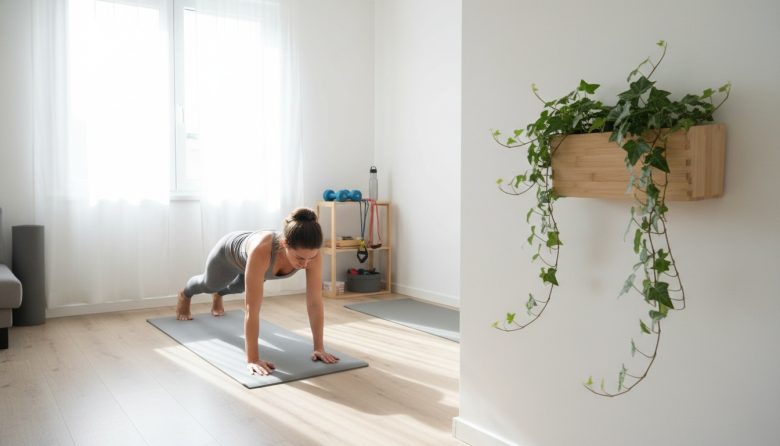
I remember the evenings when my body felt heavy from the day’s quiet demands, like carrying an unseen weight through dinner and bedtime routines. One restless night, I decided to try just 10 minutes of movement the next morning—not a grand overhaul, but a small whisper to my restless energy. That tiny shift brought a steady calm I hadn’t expected, reminding me how even brief habits can weave steadiness into our days.
Recalling My Stumbles and Small Wins in Morning Light
I first tried starting my days with movement last spring, when the early hours felt blurred by lingering sleepiness. My initial attempts were clumsy—rushing through jumping jacks that left me breathless and annoyed before breakfast. But one morning, after spilling coffee, I slowed down to simple arm circles by the window, and a quiet steadiness settled in.
Those small wins built slowly. I noticed how my shoulders loosened after a few days, making the rest of the morning feel lighter. It wasn’t perfect; some days I skipped entirely, curling back under the covers. Yet, returning the next day without judgment kept the thread alive.
Looking back, those stumbles taught me patience. The wins came in unexpected moments, like feeling more present during family breakfast. This habit grew not from force, but from gentle returns to the mat—or even just the living room floor.
Selecting Gentle Movements That Feel Like an Old Friend
Choosing movements that feel familiar makes all the difference. I started with bodyweight flows like squats followed by reaching overhead, mimicking the stretch of waking up. These take no space and greet your body like an old friend, easing into the day without strain.
Walking in place with knee lifts worked on busier mornings. Add soft twists at the waist, breathing steadily, and it flows into something restorative. For variety, I drew from Your 7-Day Home Workout Plan for Fitness, picking one simple circuit to keep things fresh yet easy.
Seated marches or wall pushes suit tired days. Picture doing them while the kettle boils—familiar actions that build quiet strength. Over time, these became my go-to, blending seamlessly with morning light filtering through the curtains.
Keep it to four or five moves, repeating as needed to fill 10 minutes. This approach lets your body remember rather than learn anew each day. It fosters a calm rhythm that’s sustainable.
Linking Your 10 Minutes to the Quiet Rhythms of Home
anchoring your movement to daily cues creates natural flow. I tied mine to the first sip of coffee, rolling out a mat right there in the kitchen. That small ritual turned intention into action without extra effort.
Post-shower stretches work wonders too. As water drips dry, lift arms and bend gently, syncing breath with the steam. It feels like extending the warmth of the routine already in place.
Consider cues like sunlight hitting the window or birdsong outside. These quiet signals prompt movement effortlessly. Pairing it with something pleasant, like soft music, makes the 10 minutes inviting.
I found linking to Daily Walking Plan to Build Healthy Habits ideas helped on restless days, turning in-place steps into a bridge to longer walks later. Home rhythms become allies this way.
The Steady Path That Carried Me Forward
Finding a path that carried me involved simple, repeatable steps. It wasn’t about perfection but consistency in small doses. These four steps emerged from my trial and gentle tweaks, helping weave the habit into daily life.
4 Simple Steps to Begin Today
- Choose one cue and one move: Pick a morning signal, like after brushing teeth, and a single action such as arm swings. Keep it to 2 minutes at first to build familiarity without overwhelm. This sets a gentle foundation.
- Set a soft reminder tied to breath: Place your phone nearby with a calm chime, or note it on a sticky by the mirror. Breathe deeply as it sounds, easing into the flow. It turns potential resistance into a welcoming pause.
- End with a note of what felt good: After 10 minutes, jot one word—like “loose” or “steady”—in a journal or phone note. This highlights the subtle shift without pressure. It reinforces the positive quietly.
- Reflect lightly after 3 days: Pause to notice any patterns, perhaps over tea. Adjust one thing if needed, like swapping a move. This keeps the path evolving with kindness.
Following these steps, I saw mornings transform gradually. Each one builds on the last, creating momentum that’s hard to break.
What Helped Me (and Might Help You) Through Restless Days
Through restless stretches, a few insights steadied me. First, shortening to 5 minutes when energy dipped kept the chain unbroken. It reminded me that any movement invites calm.
Playing familiar tunes shifted my mood softly. A short playlist synced with squats or stretches made the time feel companionable rather than dutiful.
Noticing breath was key—I’d return to it when mind wandered. Simple inhales through nose, exhales slow, grounded the whole practice. This brought steadiness amid busyness.
Sharing a quick update with a friend added warmth. Their encouragement mirrored my own small wins, making solitary mornings feel connected.
Embracing variety from time to time sparked interest. Borrowing a flow from How to Set Up a Cozy Evening Relaxation Space ideas, like gentle neck rolls, crossed into mornings refreshingly. These helped sustain the habit through ups and downs.
Embracing Off Days as Part of the Gentle Flow
Off days arrived inevitably, like rain interrupting a walk. Instead of self-reproach, I viewed them as rest woven in. Returning the next day felt natural, not forced.
A small mindset shift helped: whispering “tomorrow’s fresh” as I closed the mat unused. This softened the edge, preserving the habit’s gentle pull.
On those days, I’d recall past steadiness, like looser limbs after consistent weeks. It fueled quiet resolve without pressure. Off days became teachers in patience.
Over months, slips lessened naturally. The flow absorbed them, turning the practice into a reliable thread amid life’s ebb.
Your Gentle Experiment: One Week of Easy Movement
For the next 7 days, try 10 minutes of simple squats, arm reaches, and knee lifts right after your morning drink. Roll out a towel or mat in a sunlit spot, moving at your own steady pace. Notice how your body responds without judgment.
Each evening, reflect lightly: What felt steady today? Jot one word and let it go. This small experiment invites discovery at your rhythm.
After a week, pause over coffee. Ask yourself: Did mornings feel a touch lighter? If it resonates, extend gently; if not, tweak with kindness. What’s one cue you’ll try tomorrow?
Frequently Asked Questions
Do I need any equipment to start?
No, you don’t need anything special. A small clear space on the floor or against a wall works perfectly for these bodyweight moves. I started with just my living room rug, and it felt plenty supportive for squats and stretches.
Comfortable shoes or bare feet suit most days. If you want, a yoga mat adds cushion, but it’s optional—focus on the movement itself bringing that steady feel.
What if 10 minutes feels too long some days?
Shorten it to 5 or even 3 minutes without worry. The goal is gentle consistency, not endurance. I often did half on tired mornings, and it still brought a calm shift.
Build back up naturally as energy returns. Listen to your body—it’s the best guide for what feels right that day.
How do I know if it’s working for me?
Notice subtle changes like easier breathing or less midday restlessness. It might show in feeling more present during daily tasks. These quiet signs emerge over days.
Trust your own sense of steadiness. Jotting notes helps spot patterns without overthinking.
Can I do this at night instead of morning?
Absolutely, evenings can suit just as well. Link it to winding down, like after dinner dishes. Gentle moves then ease the body into rest.
It adapts to your rhythms—mornings energize, nights soothe. Experiment to see what brings calm.
What if I miss a day—should I quit?
No need to quit; one miss is just a pause in the flow. Return tomorrow with the same kindness you’d offer a friend. I missed plenty early on, yet the habit grew stronger.
Reflect lightly: What might ease tomorrow’s start? This turns slips into gentle lessons.