I remember the first time I rolled out a mat in my living room, feeling the quiet pull toward steadier days. No gym needed, just space to breathe and move. This 7-day home workout plan grew from those moments—simple routines that brought a sense of calm and steadiness without overwhelming my schedule. It’s about gentle consistency, noticing how my body responds, and building a rhythm that feels grounded. Over time, these sessions became a quiet anchor, especially on restless evenings when I needed something reliable.
Easing Into Movement From My Living Room Floor
Last spring, I cleared a corner by the window where the afternoon light filtered in softly. I had skipped gym visits for weeks, feeling a bit stiff and scattered. Starting with just ten minutes of movement on the floor shifted that—nothing fancy, just listening to what my body asked for in the moment.
I began with slow squats against the wall, feeling the steadiness build in my legs. It wasn’t about pushing hard; it was the simple act of showing up that quieted the inner restlessness. Those early sessions reminded me how home space could hold space for calm motion.
One evening, after a long day hunched over my desk, I dropped to the floor for a few push-up variations. The shift from tension to release lingered into the night. It sparked a curiosity to string these moments into a full week.
This approach kept things approachable—no travel, no crowds. I noticed my breathing deepened naturally, evenings felt less heavy. If you’re easing in too, let the floor be your starting point.
Simple Setup That Kept Things Steady
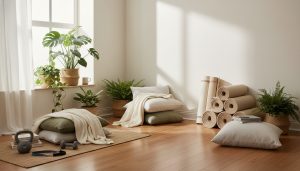
What helped me most was a minimal setup: a yoga mat, comfortable shoes nearby, and water within reach. I pushed the coffee table aside to claim that spot as my steady zone. Over days, this ritual signaled my body it was time to unwind through movement.
Warm-ups became non-negotiable—gentle arm swings and leg lifts for five minutes loosened everything without strain. I found dimming the lights and playing soft sounds created a calm bubble. Consistency bloomed from these small anchors.
For space tips, consider how to set up a cozy home workout space to make it inviting every time. It turns “I should” into “this feels right.” Pair that with an easy morning stretching routine to start flexible, and mornings flow better into the day.
A timer on my phone kept sessions contained, preventing overthinking. These elements stacked up to make movement feel like a warm habit, not a chore. You might find your own version keeps the rhythm alive.
Flowing Through the Week, Day by Day
This table lays out the 7-day tracker I used, designed for flow without overwhelm. Each day builds gently, with room to adjust based on how you feel—tired legs get lighter loads, steady energy allows full sets. I noted the focus feeling to tune into body whispers.
Adapt by halving reps if needed, or adding breath pauses. Listen close: a restless day calls for shorter mains, calm ones invite extras. Track your own notes beside it for what sticks.
| Day | Warm-Up (5-10 min) | Main Moves (20-30 min) | Cool-Down (5 min) | Focus Feeling |
|---|---|---|---|---|
| Day 1: Gentle Start | Arm circles, neck rolls | Bodyweight squats (3×10), wall push-ups (3×8) | Seated forward fold | Loosening up |
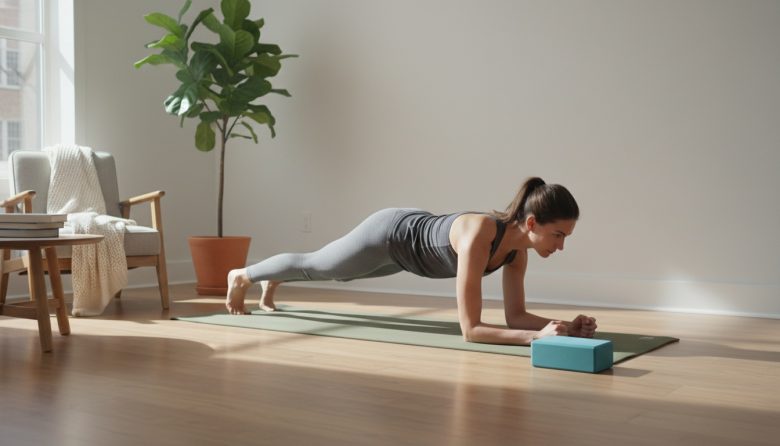
| Day 2: Steady Core | Cat-cow stretches, torso twists | Plank hold (3×20 sec), bird-dog (3×8 per side) | Child’s pose | Centered calm |
| Day 3: Restorative Flow | Standing side bends, ankle circles | Yoga sun salutations (3 rounds), seated twists (3×30 sec) | Legs up the wall | Restful ease |
| Day 4: Lower Body | Marching in place, hip circles | Lunges (3×8 per leg), glute bridges (3×12) | Quad stretch hold | Grounded strength |
| Day 5: Upper Body | Shoulder shrugs, wrist flexes | Knee push-ups (3×10), Superman holds (3×15 sec) | Arm across chest stretch | Lifted openness |
| Day 6: Full Body Blend | Full body rolls, deep breaths | Squats to overhead reach (3×10), mountain climbers (3×20 sec) | Full body stretch sequence | Balanced flow |
| Day 7: Reflective Reset | Gentle neck and shoulder rolls | Light yoga flow (20 min: warrior poses, tree pose holds) | Savasana rest | Quiet renewal |
After week one, I reviewed: Day 3’s flow eased mid-week fatigue perfectly. Use this as a timeline—check off as you go. It helped me stay present, adjusting for real-life ebbs.
Incorporate breath between sets; it steadies the heart. If energy dips, reference 5 simple tips to boost your daily energy for quick lifts. This structure made the week feel woven together.
Noticing What Felt Right Each Evening
What might help you: end each session with a quick note—what loosened, what needed rest? I journaled briefly: “legs steady today, core tomorrow.” These cues guided adjustments without overcomplicating.
Rest signals were key—tight shoulders meant skipping push-ups next time. Small shifts like adding a pillow under knees made lunges kinder. It built trust in my body’s quiet feedback.
Progress showed in subtle ways: stairs felt lighter by Day 4, sleep deeper. Track feelings over numbers; they point true. This awareness carried me through busier weeks.
Carrying the Rhythm Beyond the Week
To sustain, I repeated the cycle bi-weekly, swapping in walks on off days. Weekend resets with Day 7’s yoga kept the spark. It wove into life like brushing teeth—steady, not forced.
Emotion-aware reflections helped: restless? Shorten. Calm? Extend cool-downs. This flexibility prevented burnout, turning movement into a gentle constant.
Over months, it layered with other habits, like evening reads. The rhythm deepened my days, fostering a quiet steadiness. Yours might evolve similarly, one week at a time.
Gentle Experiment: One Move to Linger On
Pick bird-dog from Day 2: hold 20 seconds per side, three times daily for five days. Notice core steadiness, balance whispers. It’s small, portable—even desk-side.
I tried it during calls; restlessness faded. Journal one word post-session: calm? Shaky? This lingers as a solo anchor. Give it space to settle in.
What did your body notice today amid the movement? Roll out tomorrow for one warm-up sequence, just to feel the pull.
FAQ
Do I need any special equipment to start?
No special gear required—a yoga mat or carpeted floor works perfectly. I’ve often used just a towel and clear space, keeping it simple and accessible. This lowers barriers, letting movement happen anywhere.
How long should each session take?
Sessions run 30-45 minutes total, with built-in pauses to breathe and steady. It fits busy evenings without rush. Adjust as needed for your rhythm.
What if I feel restless or tired on a workout day?
Scale back to warm-up only, or step outside for a short walk instead. Listening to that tiredness prevents pushback later. Kindness to your body keeps the habit warm.
Can beginners follow this plan?
Absolutely—it’s built slow and modifiable, just like my early tries. Start with fewer reps, build feel by feel. Everyone eases in at their pace.
How do I know if it’s helping?
Watch for quiet shifts: deeper breaths, calmer evenings, easier daily motions. No scales needed—just your own steady noticing. These signs whisper enough.