I remember those mornings when I’d wake up with a subtle ache in my shoulders, a quiet reminder from the way I’d curled through the night. Over time, paying attention to how I held myself through the day brought a steadier calm, turning midday slumps into moments of quiet reset. It started small, like noticing the pull in my neck during coffee, and built into habits that felt natural.
That slumped feeling by afternoon used to creep in without warning, leaving me restless and distracted. I found it helped when I paused to realign, weaving awareness into the rhythm of daily moments. These tips come from my own shifts, simple nudges that grounded me through busy days and quieter evenings.
One evening last week, as the light faded, I caught myself hunching over my phone again. Straightening up brought an immediate sense of length through my spine, easing the tension I’d carried unaware. If you’ve felt that drag, here’s a thoughtful path through the day.
From Bed to Desk: Morning Posture Foundations
Waking up, I swing my legs to the floor and pause for a gentle stretch—arms overhead, spine lengthening like a slow unfurl. This sets a steady base before the rush begins. It helps when I stand tall at the sink, brushing teeth with shoulders relaxed down.
Next, shoulder rolls come before coffee: five slow circles back, feeling the ease ripple through. I noticed how this carried into dressing, standing with weight even on both feet. No rush, just a calm alignment that lasted.
By the time I reach my desk, that morning foundation holds. I check my chair height so feet plant flat, knees at right angles. A quick scan—head balanced over shoulders—keeps things steady from the start.
During a recent weekend reset, I added a two-minute wall stand: back against the door, heels touching baseboard. It recalibrated everything gently. These steps turned foggy mornings into clearer ones for me.
For a timeline that sticks: 1) Bed exit stretch (30 seconds). 2) Sink stand-tall (while brushing). 3) Shoulder rolls (1 minute). 4) Desk settle-in (adjust once). Simple, layered into the routine.
Staying Aligned Amid the Hustle: Midday Adjustments
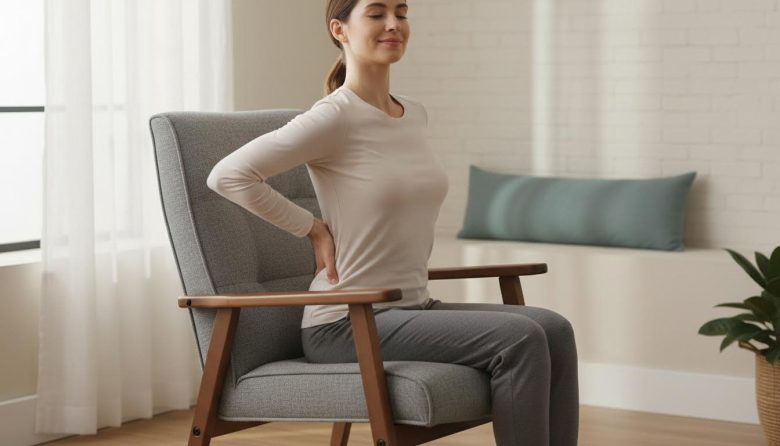
Midday at the desk, I set a timer for every 45 minutes—a soft chime to roll shoulders and sit back. Screen at eye level prevents the forward lean that tires my neck. Feet flat grounds me, back supported by the chair’s curve.
Walking to lunch, shoulders stay relaxed, gaze forward instead of down. It eases restless tension when I imagine a string pulling the crown of my head up. Steps feel lighter, less hurried.
At meals, I sit with chest open, elbows resting easy on the table edge. No leaning over the plate; instead, bring food closer. This kept my energy steadier through afternoons heavy with tasks.
Phone calls used to mean pacing slumped—now I stand tall, one hand free. I found calm in these micro-shifts, especially on long workdays. When considering Your 7-Day Home Workout Plan for Fitness, holding good lines during movement amplifies the benefits.
Checklist for the hustle:
- Timer nudge: shoulders back.
- Walk: gaze ahead.
- Meal: chest open.
- Phone: stand aligned.
These pulled me through packed schedules without extra effort.
Closing the Day Strong: Evening Habits
As evening settles, I ease into side stretches—arms reaching overhead, one at a time. Couch time means sitting with length in the spine, cushions propping if needed. No collapsing forward into screens.
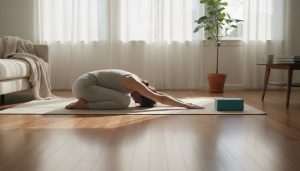
A gentle forward fold over bent knees releases the day’s hold, breathing steady for five breaths. Weekend resets with these checks left me calmer, ready for rest. It helped when I tied it to tea time, a natural pause.
Before bed, lying flat with knees bent checks alignment—spine neutral, no arch or flatten. This wound down the restlessness, smoothing into sleep. Simple, evening anchors that stuck.
Timeline: 1) Stretch arrival home (2 minutes). 2) Couch awareness (ongoing). 3) Pre-bed check (1 minute). Quiet closers to a full day.
Your Posture Playbook: Do’s and Don’ts at a Glance
These contrasts stick for me—simple reminders pulled from real days, easy to glance at when the slump sneaks in.
| Daily Moment | Do This | Avoid This |
|---|---|---|
| Morning routine | Stand tall, roll shoulders back gently | Hunch over the sink or mirror |
| Desk work | Feet flat, screen at eye level, back supported | Slouch forward, chin jutting to screen |
| On the move (walking) | Shoulders relaxed down, gaze forward | Head down into phone, rounded shoulders |
| Mealtime | Sit back with chest open, elbows easy | Lean over plate, elbows locked |
| Evening unwind | Stretch side to side, sit with length in spine | Collapse into couch, curl forward |
Glance here when needed—it grounds me during busy stretches. Pulled straight from my routines, these keep the awareness light.
What Helped Me, What Might Help You
Timers nudged me at the desk every hour, turning endless sits into rhythmic resets. Walks with intention steadied my steps, especially on days that felt scattered. Might help if you notice that midday drag pulling you down.
Linking posture to breath deepened the calm—inhale to lengthen, exhale to settle. Mirror checks during morning prep made alignment visual and quick. These layered in without overwhelming the day.
Anecdote from last month: Rainy commute had me tense; pausing at the door for shoulder drops shifted everything. If evenings leave you tired, evening stretches before screens helped me unwind steadier.
Checklist of my reliable nudges:
- Hourly timer.
- Breath tie-in.
- Mirror glance.
- Doorway pause.
Direct from tested schedules, they fit real life rhythms.
For deeper evenings, setting up like in How to Set Up a Cozy Evening Relaxation Space amplified the posture holds naturally. Small, consistent shares like these build quietly.
A Gentle Experiment for the Week
Pick one ‘Do’ from the table each day—rotate through them for five days. Notice how your body settles by afternoon, any shift in that tired pull. Keep it light, no pressure.
What felt different by day three? A steadier feel in shoulders, perhaps. Pause once today: stand or sit, lengthen your spine, and breathe.
This experiment stuck for me last time—subtle changes added up. Try it, reflect gently, see what lands.
Frequently Asked Questions
Does posture awareness really make a difference in how I feel day-to-day?
Many notice a steadier calm after consistent nudges, like less restlessness by evening. It builds quietly through small pauses. For me, it turned restless afternoons into more grounded ones.
What if sitting for hours is part of my routine?
Small shifts like foot placement and back support help hold alignment without strain. Add a timer for rises every 30 minutes. These keep things steady in long sessions.
How can I remind myself to check posture during busy moments?
Tie it to habits, like every coffee sip or door pass—keeps it gentle and sticky. A phone wallpaper note works too. Natural cues make it effortless over time.
Can tension from poor posture build up over time?
It can leave shoulders tired and neck restless; awareness often brings relief through the day. Evening checks help release it before bed. Gentle attention softens the buildup.
Is there a quick way to reset posture anywhere?
Breathe deep, lengthen spine—works standing or seated, anytime. Roll shoulders down once. This quick reset grounds me in crowds or quiet alike.
One more that comes up: How does movement tie in? Exploring Quick Tips for Better Posture All Day Long alongside daily walks deepened my awareness seamlessly.